
What Is a Metal Service Center? How It Differs from a Steel Distributor
Understanding what sets a metal service center apart from a steel distributor can save buyers time, money, and headaches on their next order. These two types of suppliers operate differently, and knowing the distinction helps you choose the right source for your project.
What Does a Metal Service Center Actually Do?
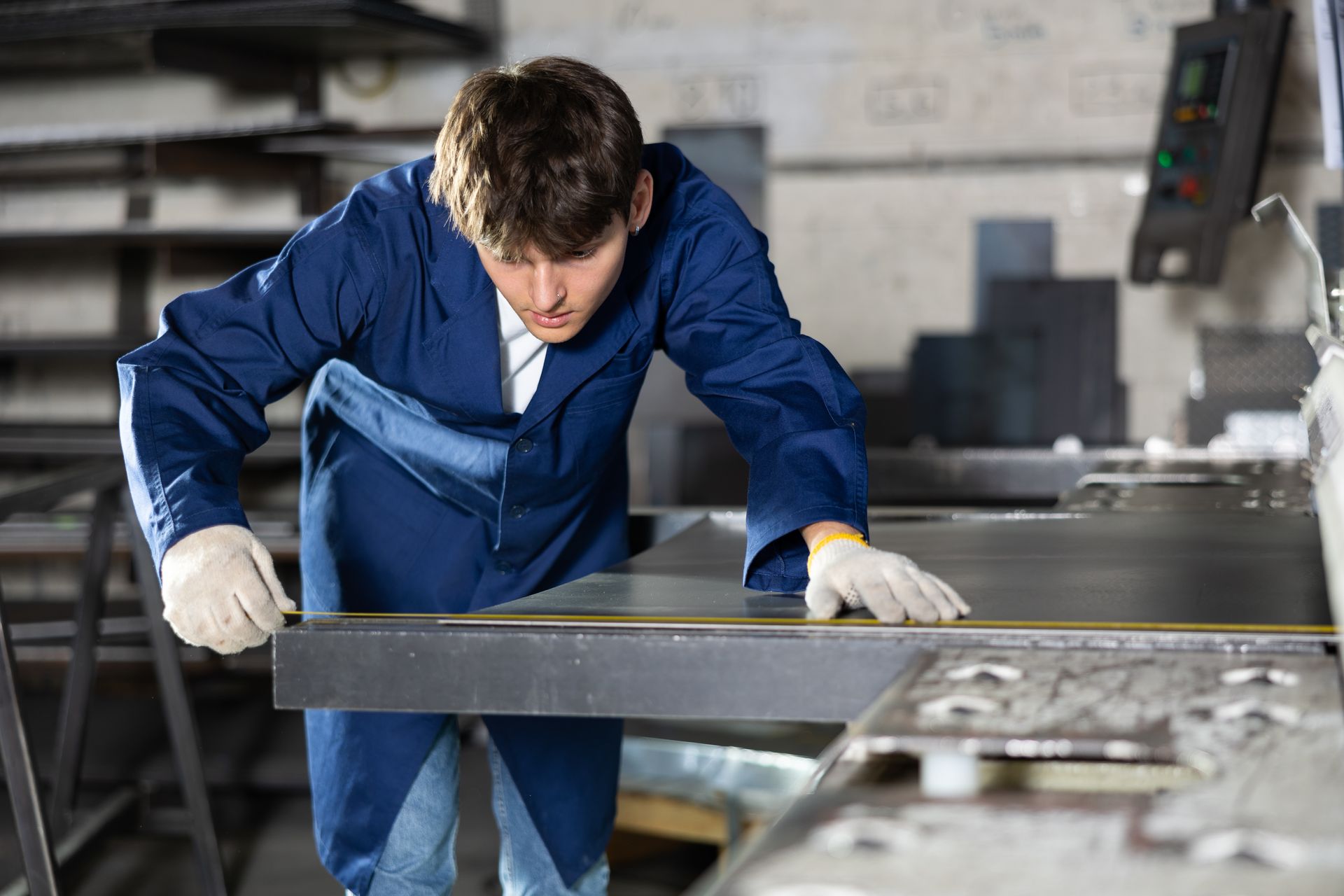
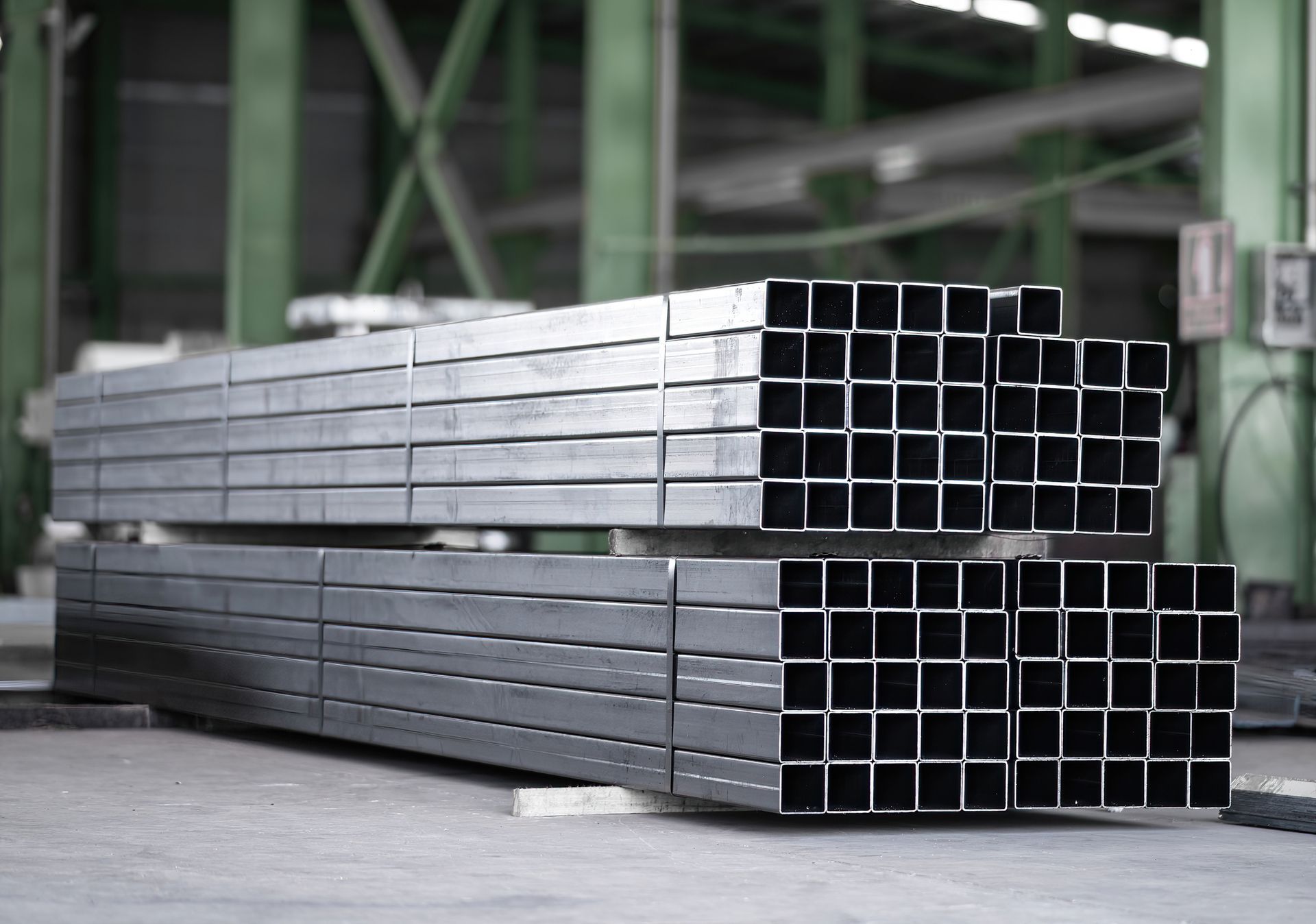
A metal service center does more than sell raw metal. It stocks a broad inventory and processes material before it ships to you. Processing can include cutting to length, shearing, plasma cutting, and saw cutting, so the metal arrives ready for your application.
A pure distributor, by contrast, typically buys from mills and resells in standard lengths or full coils without modification. You receive the metal as-is and handle any cutting or shaping on your end. That works well for buyers who have their own fabrication shop, but it adds a step for everyone else.
The key difference is value-added work. A metal service center absorbs that processing step so you do not have to.
Which Industries Rely on Metal Service Centers?
These suppliers serve a wide range of commercial and industrial buyers. Common industries include:
▸ Petrochemical and refinery operations, where precise cut lengths and material traceability matter.
▸ Marine and barge construction, where corrosion-resistant metals like galvanized and stainless are often required.
▸ Paper mills and sugar mills, where large-volume orders with consistent specs are typical.
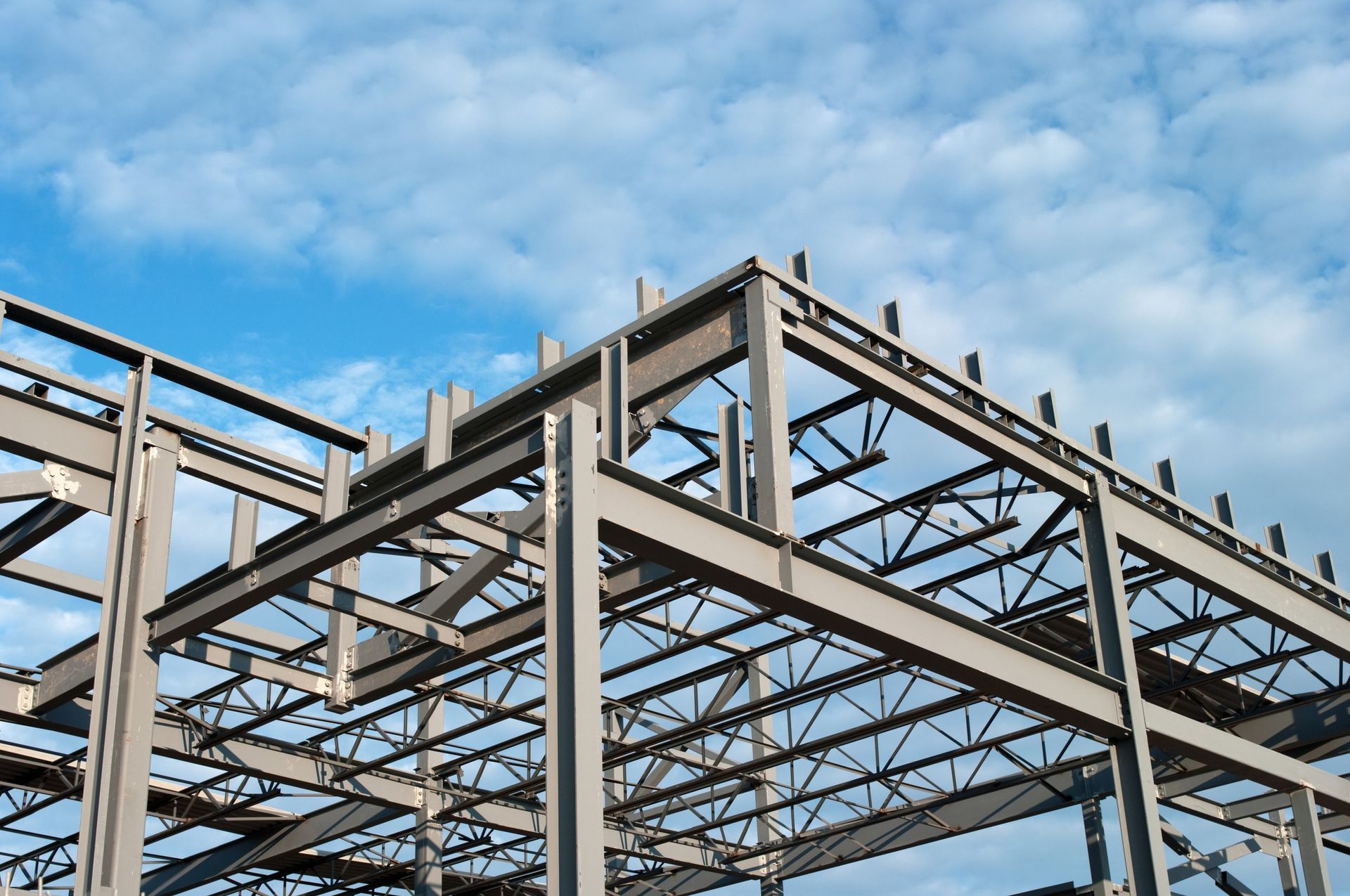
▸ General fabricators and construction contractors, who need fast turnaround on structural shapes.
In and around New Orleans, LA, the petrochemical corridor, the Port of New Orleans, and the region's offshore and marine sectors all create steady demand for processed metal. A supplier serving New Orleans, LA, can fill orders for these industries faster than ordering directly from a mill.
Does a Metal Service Center Track Material Certifications?
Yes, most metal service centers maintain mill test reports and heat number tracking for each order. This matters for regulated industries such as petrochemical, refinery, and offshore construction. Documentation of a material's chemical composition and country of origin may be required for compliance and quality assurance.
What Metals Can a Service Center Supply?
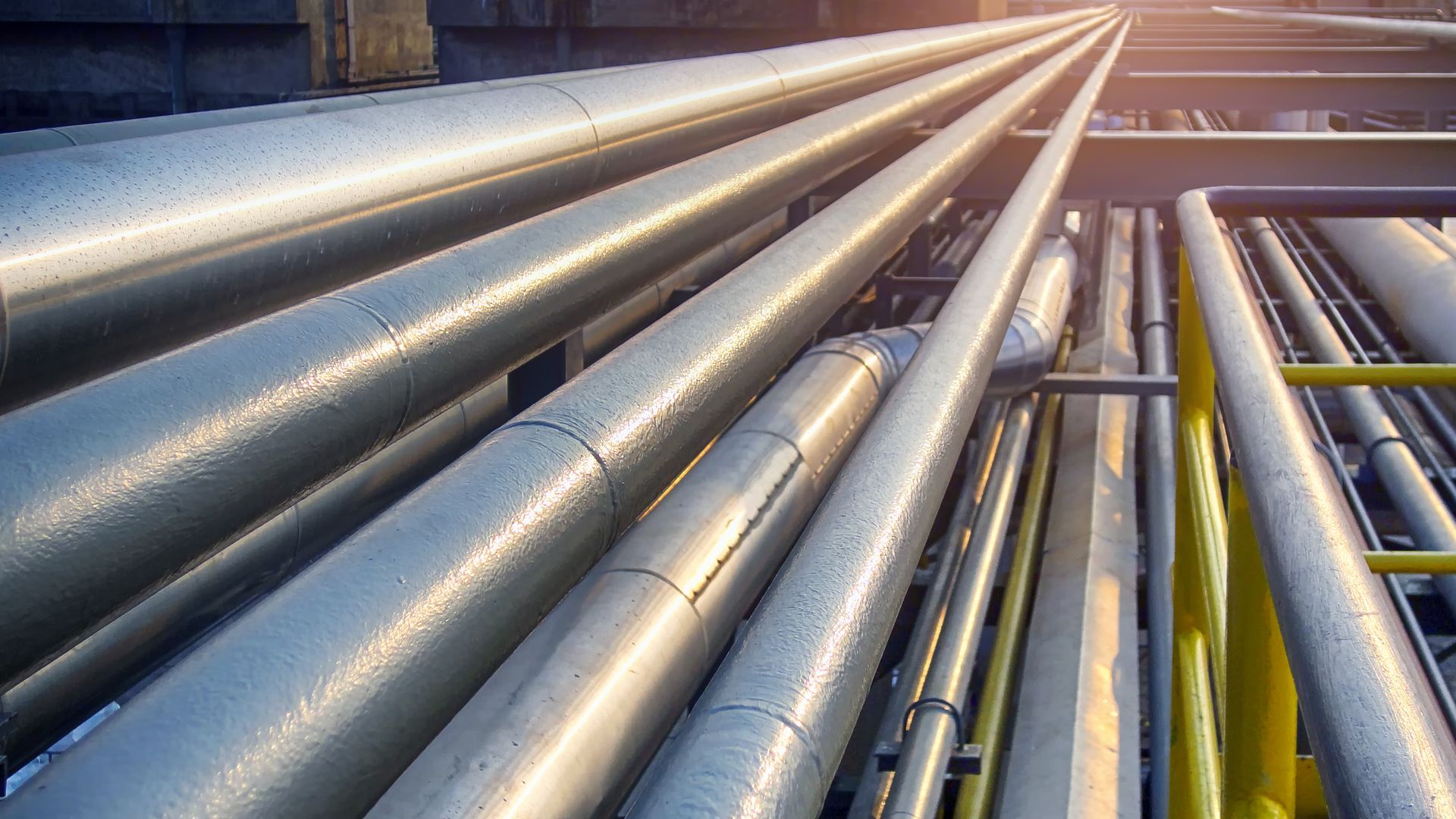
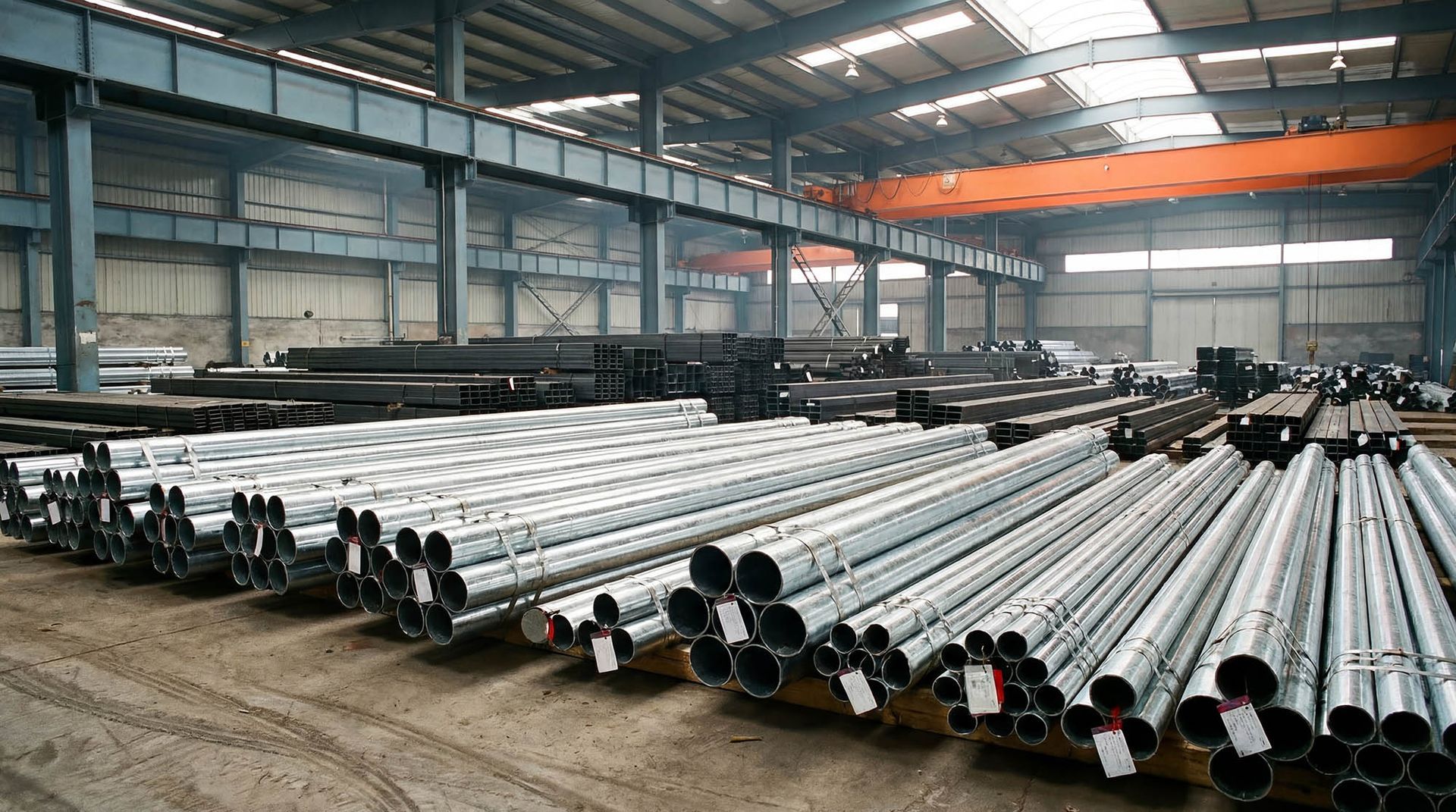
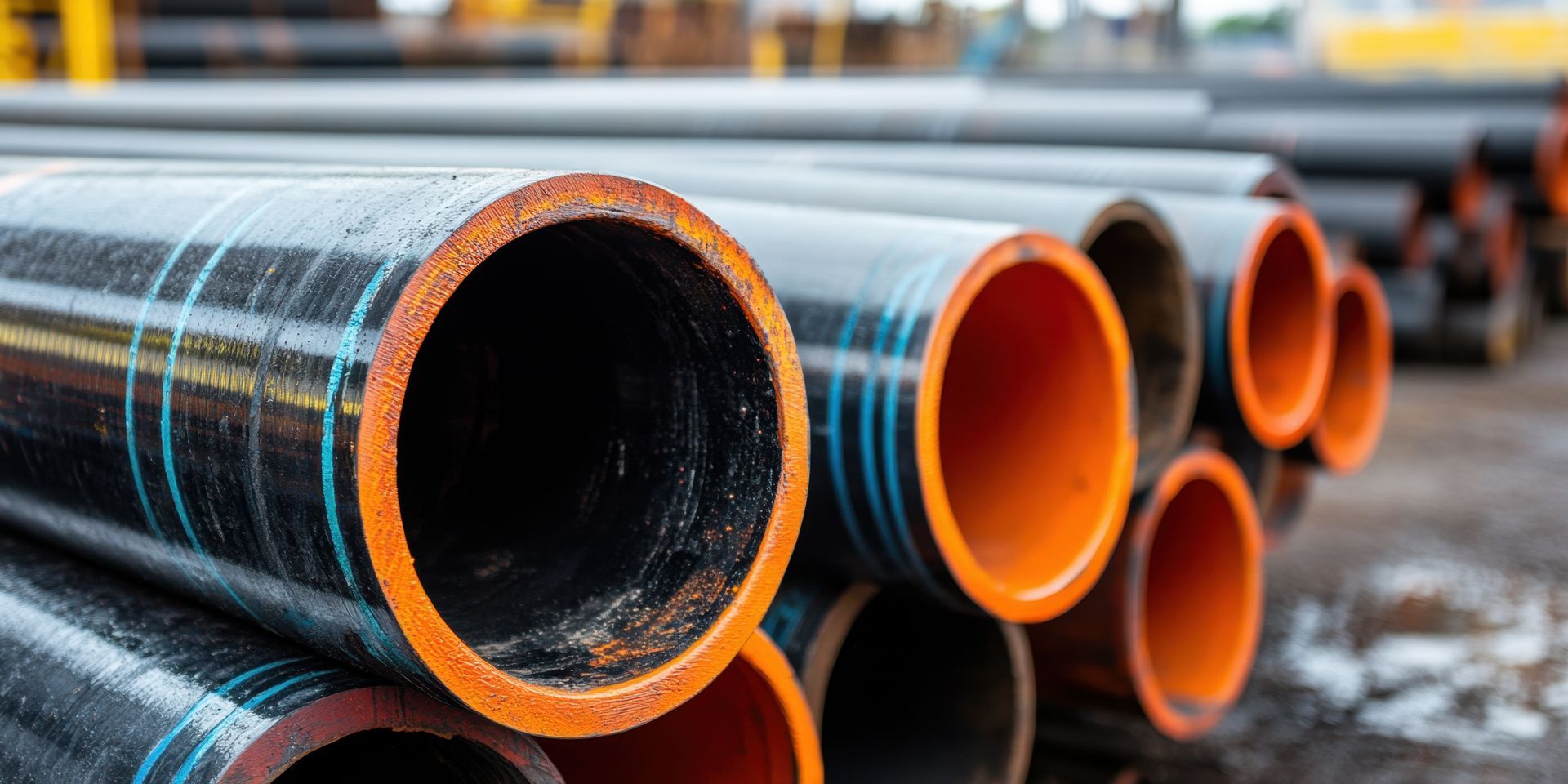
A well-stocked service center typically carries carbon steel, galvanized steel, stainless steel, aluminum, and specialty metals in shapes that include pipe, tubing, plate, bar, flat, beam, angle, channel, expanded metal, and grating.
How Is a Service Center Order Different from a Mill Order?
Mill orders often require large minimum quantities and longer lead times. A service center holds inventory on hand, can process material to your specs, and can typically fill smaller or more urgent orders without the lead time a mill requires.
What to Look for When Choosing a Local Supplier
The right supplier should offer:
▸ Broad inventory across carbon, stainless, aluminum, and specialty grades.
▸ On-site processing such as cutting, shearing, or plasma work.
▸ Material traceability through mill test reports.
▸ Experience with your industry's specific requirements.
▸ Competitive pricing and responsive service for orders of any size.
Ready to Place an Order With a Supplier Serving New Orleans?
Brecheen Pipe & Steel is a woman-owned, family-operated metal service center serving New Orleans, LA, and the greater Louisiana region. With over 40 years in the industry, the team supplies carbon, galvanized, stainless, aluminum, and specialty metals alongside on-site CNC plasma, oxy-fuel, shear, and saw cutting. Explore the full range of available materials and processing on the services page, or contact us to discuss your order.
Call (225) 749-3553 to get started.