What Piping Materials Supplier Does the Petrochemical Industry Actually Use in Baton Rouge, LA?
The petrochemical industry runs on a set of well-established piping materials. Knowing which grades go where can help procurement teams, plant engineers, and fabricators source more efficiently from a qualified piping materials supplier serving Baton Rouge, LA. This post covers the pipe grades, fitting standards, and procurement factors that matter most to facilities along Louisiana's industrial corridor.
Why Material Selection Is So Critical in Petrochemical Piping
Selecting the right pipe material is one of the most consequential decisions in any petrochemical build or turnaround. The wrong choice leads to premature failure, costly downtime, and serious safety risks. Baton Rouge, LA, sits at the heart of one of the most concentrated refining and chemical manufacturing regions in North America. Major facilities operated by ExxonMobil, Dow, BASF, Huntsman, and Albemarle run piping systems under extreme pressure, extreme temperature, or both, and materials have to match those conditions precisely.
Piping in a petrochemical plant is not one-size-fits-all. Process lines, utility lines, high-temperature service loops, and corrosive fluid systems can each require different material specifications within the same facility. Choosing a knowledgeable piping materials supplier early in planning helps teams avoid costly specification errors.
What Pipe Materials Do Petrochemical Plants in Baton Rouge, LA, Actually Use?
Petrochemical plants in Baton Rouge, LA, typically rely on four core pipe material families. A reliable piping materials distributor will carry inventory across all four to support projects at any scale.
Carbon Steel (ASTM A106 / ASTM A53)
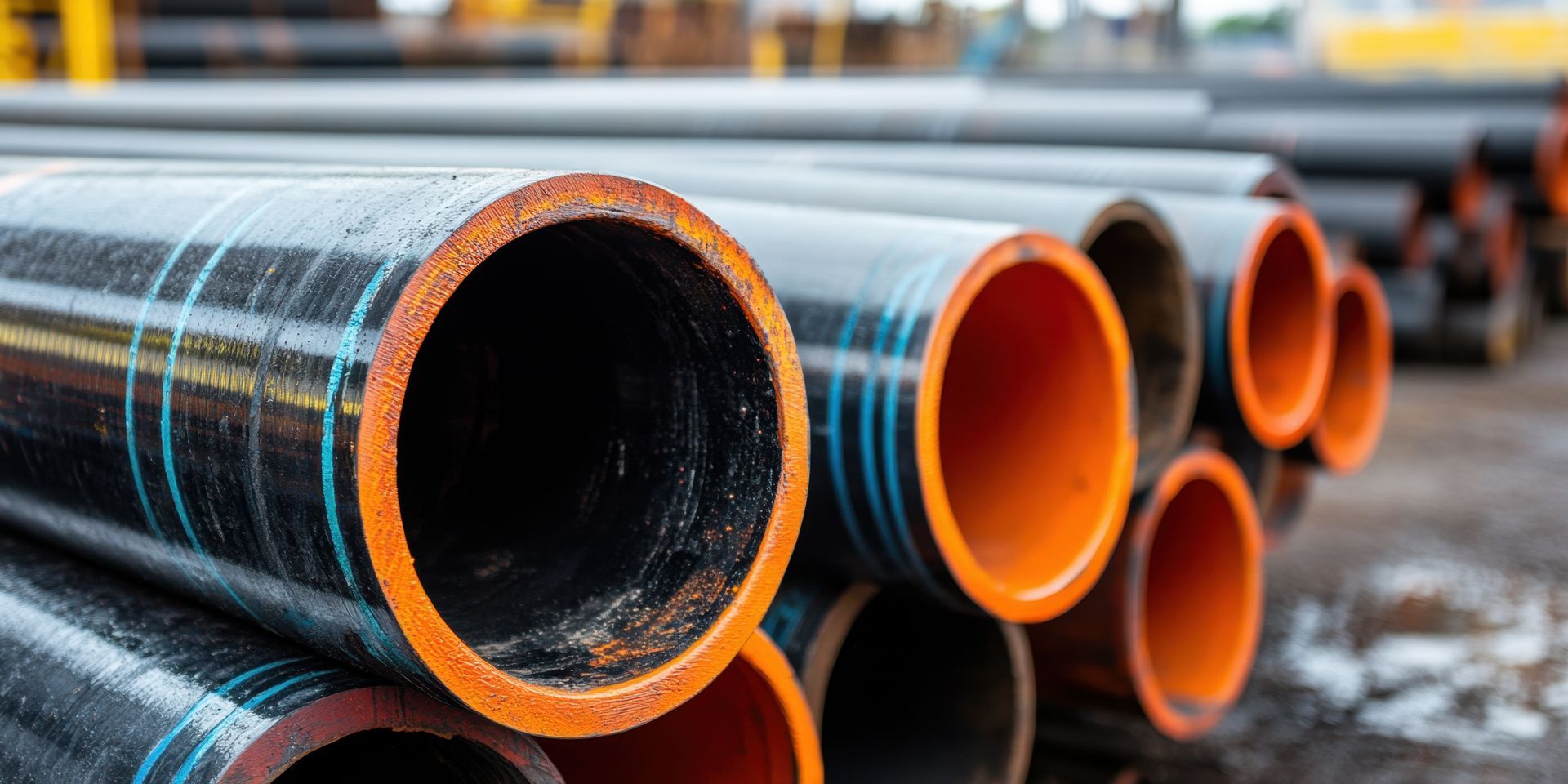
Carbon steel is the workhorse of refinery and petrochemical piping. ASTM A106 Grade B seamless pipe handles moderate- to high-temperature service and appears on nearly every plant material list. ASTM A53 is specified for lower-pressure utility lines, steam distribution, and water service. Carbon steel is generally the most cost-effective option where process conditions allow.
Stainless Steel (304L / 316L / 321)
When process fluids are acidic, chloride-rich, or highly corrosive, stainless steel is the preferred choice. Grade 304L covers general corrosion-resistant service. Grade 316L contains molybdenum, improving resistance to chlorides and pitting, making it well-suited for refinery process lines and heat exchanger tubing. Grade 321 is a stabilized grade used in high-temperature cracking applications to prevent intergranular corrosion. Chemical plants in the Baton Rouge, LA, area that handle aggressive media often specify 316L as their minimum stainless standard.
Chrome-Moly Alloy Steel (ASTM A335 Grades P11, P22, P91)
Chrome-moly pipe is engineered for high-pressure, high-temperature service where carbon steel loses mechanical strength. ASTM A335 is the governing specification. Grade P11 handles service up to approximately 510°C, P22 up to approximately 565°C, and P91 provides higher creep strength for demanding applications such as refinery hydrocrackers and process furnace piping. These grades from the piping materials supplier are used routinely in refinery heaters and high-temperature petrochemical process loops throughout Southeast Louisiana.
Specialty Alloys and Duplex Stainless
Some process streams require materials beyond the standard families. Duplex stainless steel, such as grade 2205, offers higher mechanical strength and superior resistance to stress corrosion cracking compared to standard austenitic grades. Specialty materials, including Hastelloy C-276 and Alloy 20, may be required in highly corrosive chemical service where 316L falls short. When sourcing these grades, working with a piping materials distributor that maintains documented heat and lot traceability is essential.
Valve and Fitting Standards That Matter in Baton Rouge, LA, Facilities
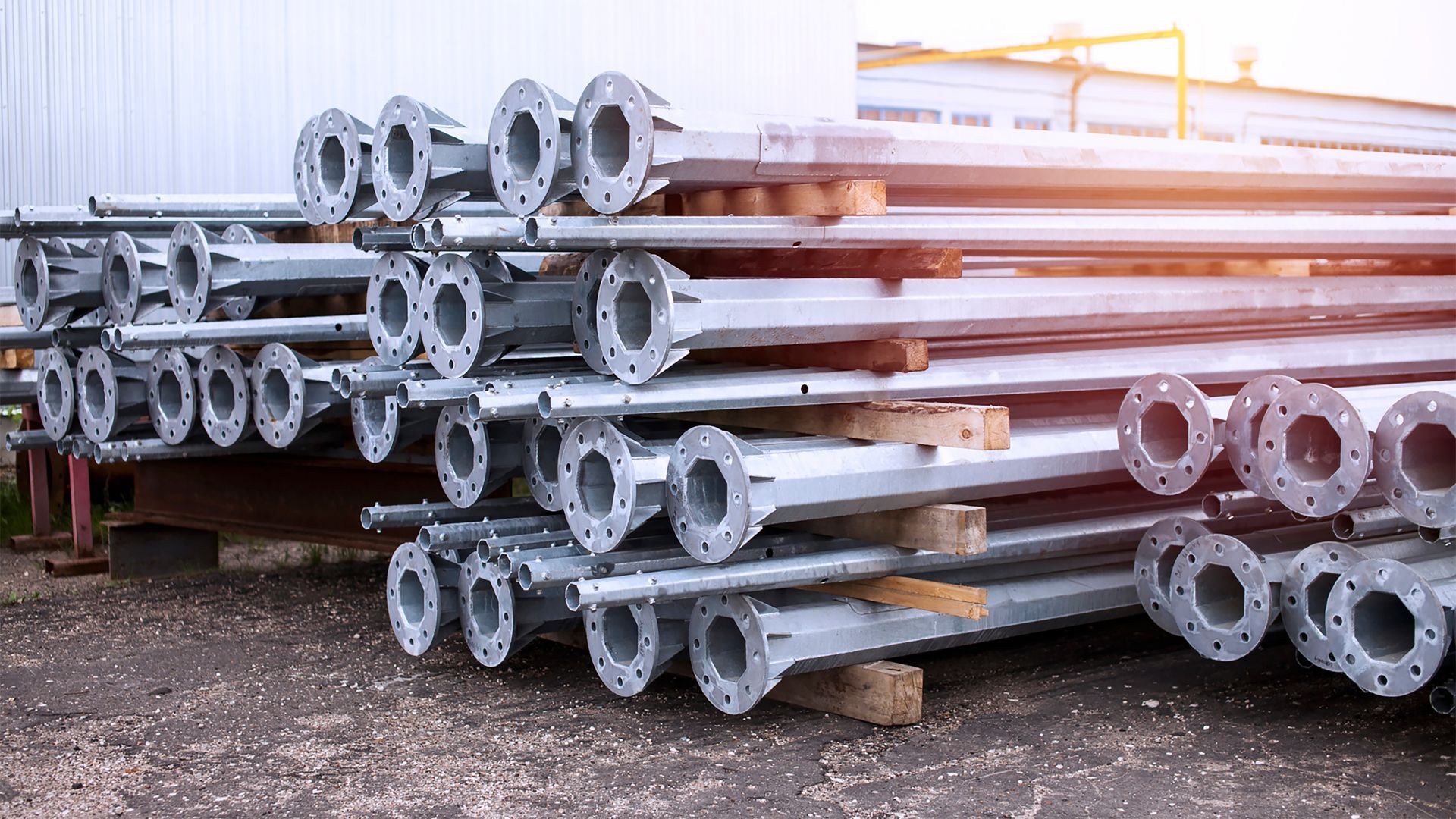
Material selection does not stop at the pipe itself. Valves and fittings must meet the same specifications. Industrial plants in Baton Rouge, LA, commonly require valves certified to API 6D, ASME B16.34, and NACE MR0175/ISO 15156, particularly for sour service applications involving hydrogen sulfide. Flanges and forged fittings are often sourced to ASTM A182 to match the alloy grades used in the pipe. Mismatched fittings are a common and avoidable source of inspection failures. A piping materials supplier that stocks fittings and flanges alongside pipe inventory simplifies the procurement process considerably.
Procurement Considerations for Baton Rouge, LA, Petrochemical Projects
Speed of supply can be as important as material specification, especially during plant turnarounds. Regional proximity to a qualified piping materials distributor serving Baton Rouge, LA, reduces lead times compared to sourcing from out-of-state distributors. Mill test reports, heat numbers, and country-of-origin documentation are standard requirements for most petrochemical operators, and a supplier that tracks this documentation accurately keeps compliance paperwork manageable.
Order quantities vary widely between large capital projects and smaller maintenance runs. Working with a piping materials supplier that accommodates both without penalizing small orders simplifies your supply chain. On-site cutting capability is another factor worth considering. Receiving a pipe already cut to specification reduces field labor time and waste.
The Louisiana petrochemical corridor between Baton Rouge, LA, and Geismar operates on tight turnaround schedules. A regional supplier with in-stock inventory of carbon, stainless, and alloy materials helps maintenance and construction teams avoid delays that would otherwise require waiting on national distribution.
Partner With a Piping Materials Supplier That Knows the Petrochemical Market
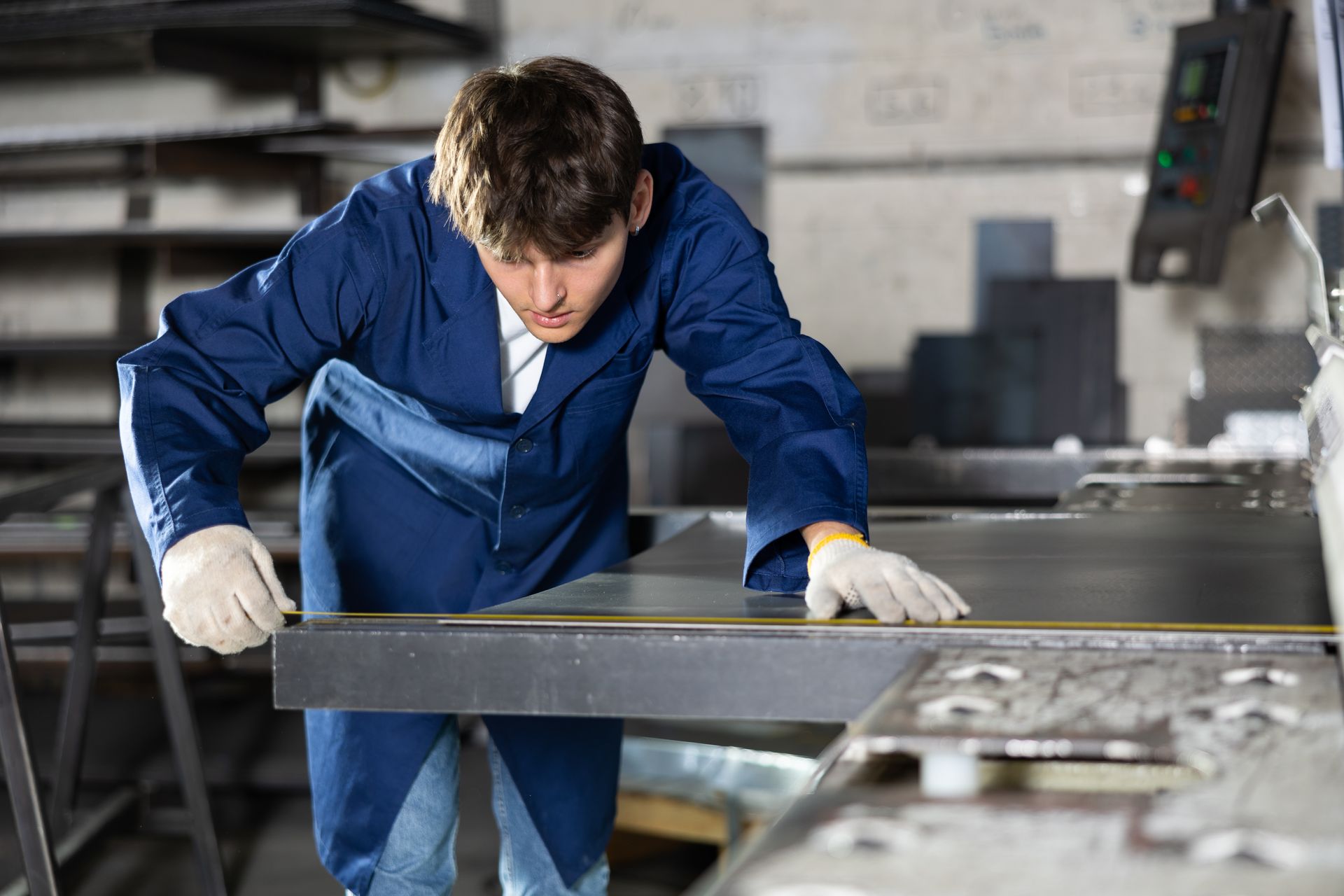
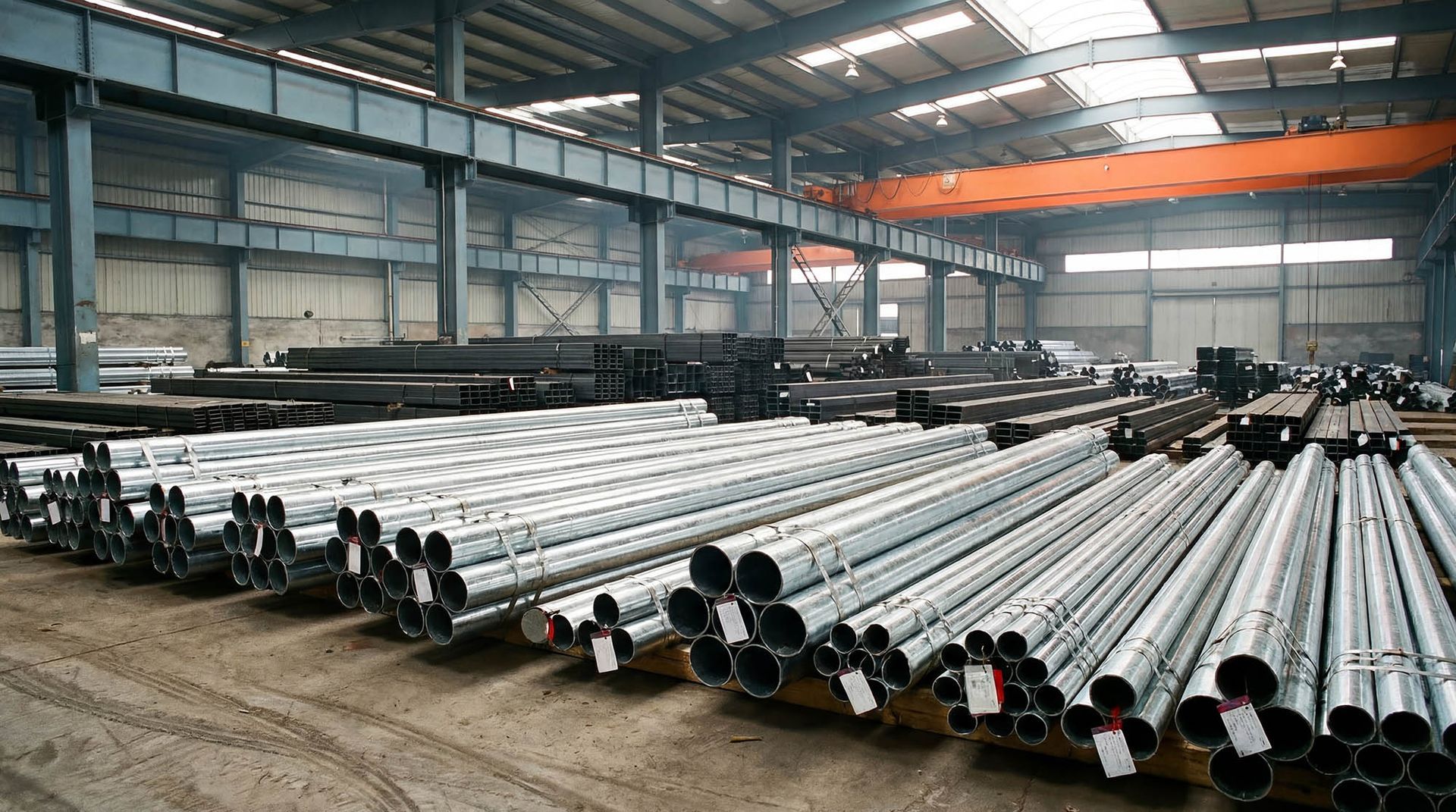
For a piping materials supplier serving the petrochemical and refinery operations, Brecheen Pipe & Steel has been supporting Louisiana's industrial sectors since 1980. Inventory includes carbon steel, stainless steel, aluminum, and specialty alloy pipe and materials, with CNC plasma cutting, oxy-fuel cutting, shear cutting, and saw cutting available to prepare materials to project requirements. Mill test report tracking is part of the standard service, supporting the material traceability requirements of most plant operators.
To discuss your project's material specifications or request a quote, contact the team or call (225) 749-3553. You can also review the full range of piping materials available, to verify stock and request pricing. Find Brecheen Pipe & Steel on Google to see reviews and get directions.